
KNOWLEDGECASE STUDY
Dr.CerviCARE Medical Device Clearance
— Korea to Vietnam (EXW)
CASE STUDY
6 MIN READ
EXW air import of 53 medical devices: from HS classification and Type B registration to lithium-ion compliance, customs valuation, and FOC units — cleared and delivered within one session.
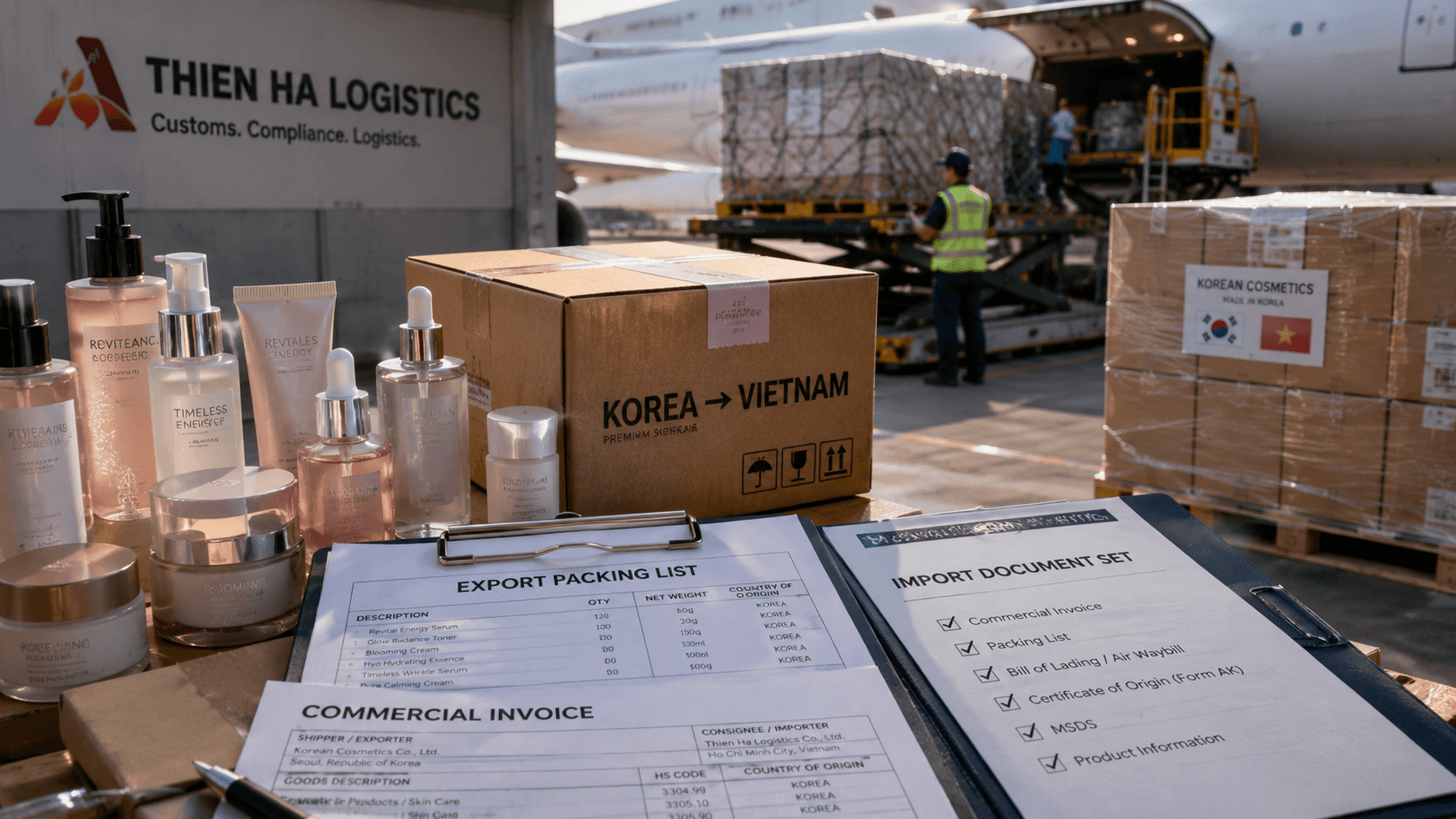
Product analysis and HS classification
Rather than relying only on the commercial name “Medical Camera”, the file was analyzed from the catalogue, device function, and Type B registration dossier to determine the nature of the goods and align HS Code 9018.90.90.
Lithium-ion batteries and air cargo documents
For integrated lithium-ion batteries, MSDS, UN38.3, and PI967 Section II were reviewed to ensure consistency between customs and air transport documentation.
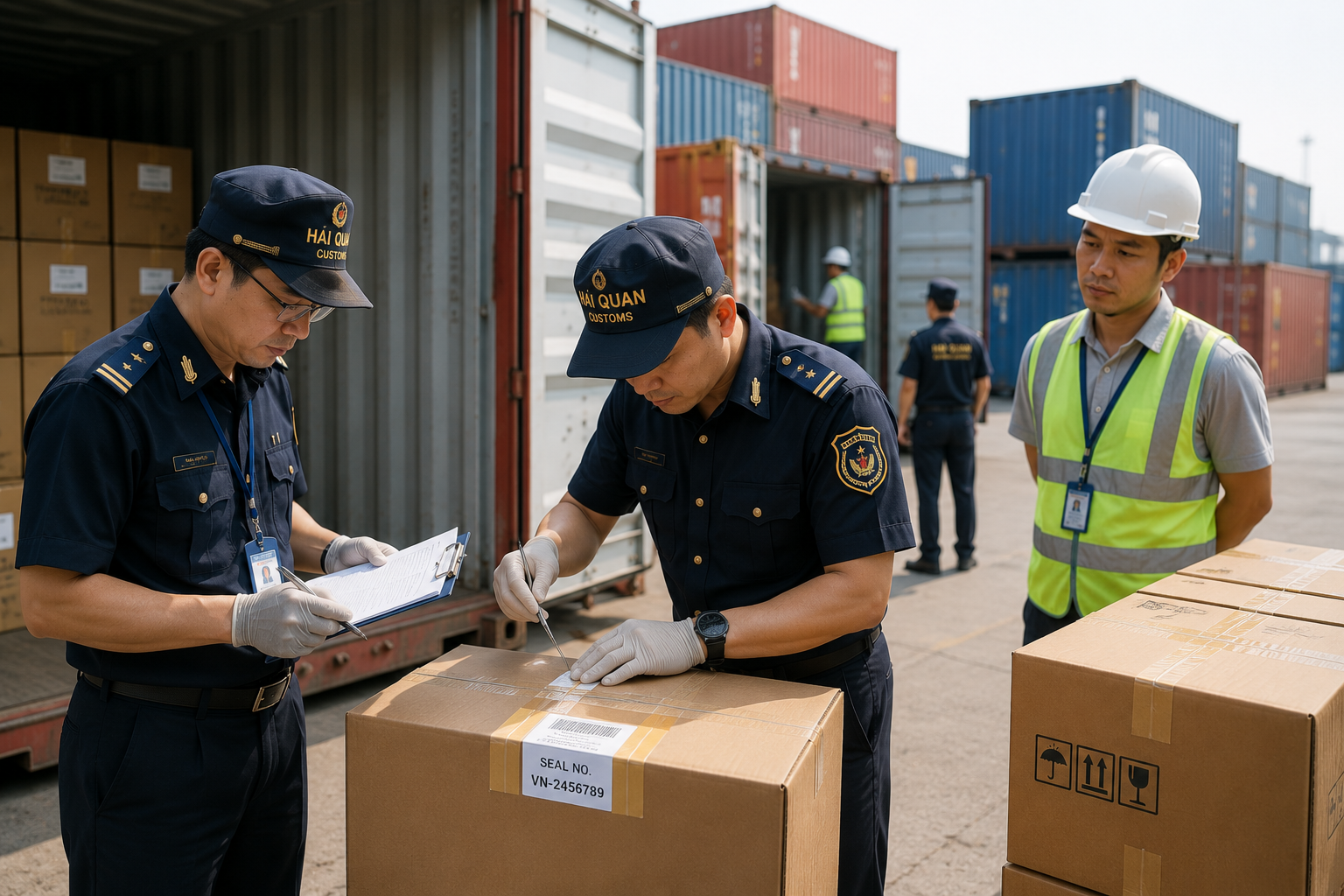
EXW valuation and FOC units
EXW terms were reviewed separately for valuation. Air Freight, Pickup, Handling, CGC, and Origin Handling Charge were reconciled against the debit note and information from the Korean origin agent.
Seven FOC units had no payment price but still required customs valuation. On the declaration, FOC items were declared separately with dutiable value per regulations.
Outcome
The import declaration was cleared and cargo was received at TCS within the same working session from clearance.

Control process
- Product analysis
- HS classification
- Regulatory review
- Document compliance
- Customs valuation
- Customs declaration
- Clearance
- Cargo release
TAKEAWAY The value of customs and logistics consulting is not only filing declarations, but identifying issues before cargo arrives, controlling documentation, and building evidence-based declaration plans.
KEY TAKEAWAYS
Key points
from this case study.
01
Analyze catalogue and Type B registration before finalizing HS Code.
02
Align lithium-ion documentation between customs and the airline.
03
Declare FOC units separately with appropriate dutiable value.